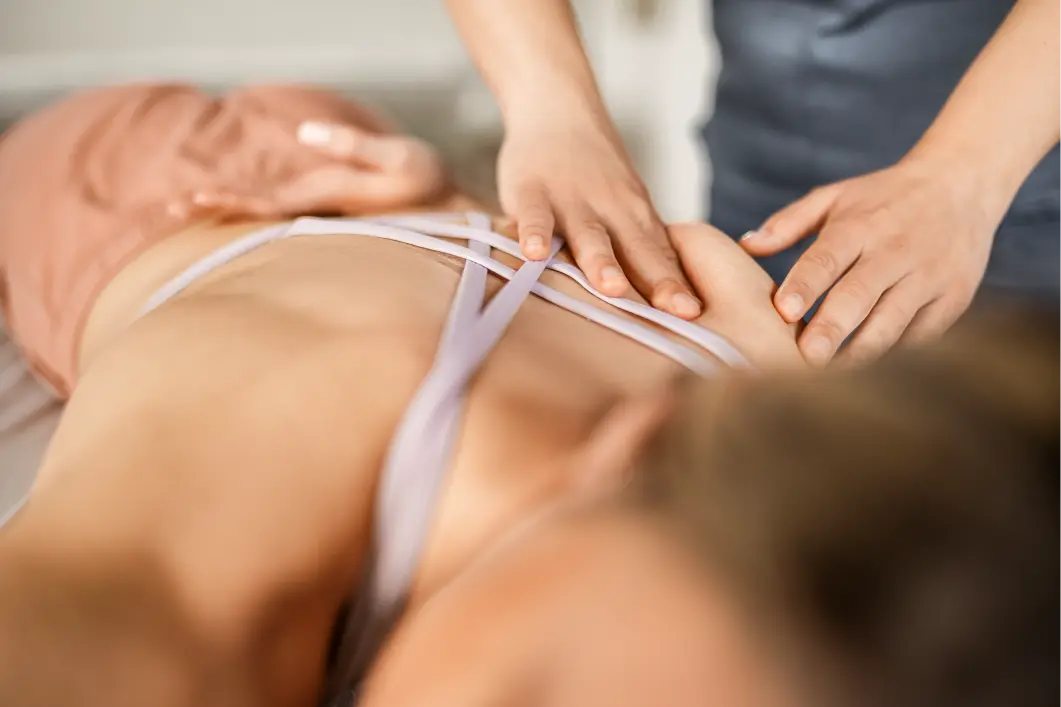
Shoulder Dislocation
Summary
When the upper arm bone comes away from your shoulder socket, it is called a shoulder dislocation. It is a painful injury affecting shoulder movement, strength and stability. If not managed properly, it can cause future shoulder problems.
Shoulder dislocations are common after falls and as sports injuries. Traumatic shoulder instability accounts for 96% of shoulder dislocations.
With appropriate rehabilitation, many people recover well and return to regular activity. The White House Clinic provides expert care and treatment for shoulder dislocation in Sheffield and across all 14 locations in South Yorkshire, North East Derbyshire, and Nottinghamshire.
An overview of shoulder dislocation
The shoulder is a ball-and-socket joint with a large range of motion. This mobility makes it vulnerable to instability.
A shoulder dislocation describes when the ball of the upper arm bone comes away from the socket. In some cases, injuries damaged structures such as ligaments, cartilage, or tendons.
Shoulder dislocation symptoms
Symptoms vary depending on the severity of the injury and whether ligaments or tendons are damaged. Symptoms of a shoulder dislocation can include:
- Severe shoulder pain
- Visible deformity or change in shoulder shape
- Unable to move the arm normally
- Swelling or bruising around the shoulder
Causes of shoulder dislocation
Falls, direct impact, or forceful movements that push the arm beyond its normal range can cause shoulder dislocations. These injuries are common in sports such as rugby and climbing, where falls and collisions often happen. Slipping or falling onto an outstretched arm can also cause the shoulder to dislocate.
When to see someone for a shoulder dislocation
A shoulder dislocation requires medical attention to relocate the joint and assess for associated injuries safely.
After being seen by a doctor, a physiotherapist can help you manage ongoing symptoms such as pain, weakness or instability. They can give you the confidence to return to your sports safely.
At the White House Clinic, you can book a physiotherapy appointment without a referral, giving you faster access to treatment and expert care.
What to do if you have a shoulder dislocation
After a shoulder dislocation, your shoulder may be stiff and painful. Avoid returning to sport or heavy activity too soon, as this may increase the risk of another dislocation. A physiotherapist can advise on movement, progressive exercises and return to activity.
Treatment for shoulder dislocation
From physiotherapy to sports massage, the White House Clinic helps you restore your shoulder strength and mobility following a dislocation.
Physiotherapy
Physiotherapy plays a central role in recovery following shoulder dislocation. Treatment restores range of motion, strengthens stabilising muscles, and improves control during everyday and sporting activities. Plans are progressive to avoid overloading the shoulder too soon.
Sports injury management
Sports injury management supports your return to activities such as rugby, football, gym training and climbing.
Sports Massage
Sports massage can help reduce muscle stiffness and boost blood circulation to improve healing. A sports massage can form part of the rehab program following a shoulder dislocation.
Acupuncture
Acupuncture helps reduce pain and muscle tension during recovery from a shoulder dislocation, particularly in the early or more painful stages. Acupuncture is available at all our clinic locations.
Post-operative rehabilitation
When the shoulder is unstable following one or more dislocations, some patients need surgery. Post-operative rehabilitation is essential following shoulder surgery to restore movement, rebuild strength and support a safe return to activity.
Who is affected by shoulder dislocation?
Shoulder dislocations can affect people of all ages. They are more common in active individuals and those involved in contact or high-risk sports, but can also occur in older adults following falls.
Reducing the risk of shoulder dislocation happening again
To reduce the risk of recurrent shoulder dislocation, it is important to restore full shoulder strength and control by following a progressive plan. With appropriate treatment and rehabilitation, many people return to sport and daily activities with improved shoulder confidence and reduced risk of re-injury.
References
Related Treatments & Services
Discover a range of treatments and services that can help you on your way to full health.
FAQs
Our Locations

Stay up to date with our regular advice articles and latest news