Groin Strains and Adductor Injuries
Summary
A groin strain is a common soft tissue injury that affects the muscles on the inside of the thigh, the adductors. These muscles play an important role in hip stability and movement, particularly during running, kicking and changing direction in sports such as ice hockey and football. The injury can cause inner thigh pain, reduced strength, and difficulty with sports or daily activities.
Groin injuries make up 2-5 % of all sport-induced injuries. When not managed properly, they can be persistent. However, with appropriate rehabilitation, most people recover well and return to full activity. The White House Clinic provides expert care for groin strain in Sheffield and across all 14 locations in South Yorkshire, North East Derbyshire and Nottinghamshire.
An overview of groin strains and adductor injuries
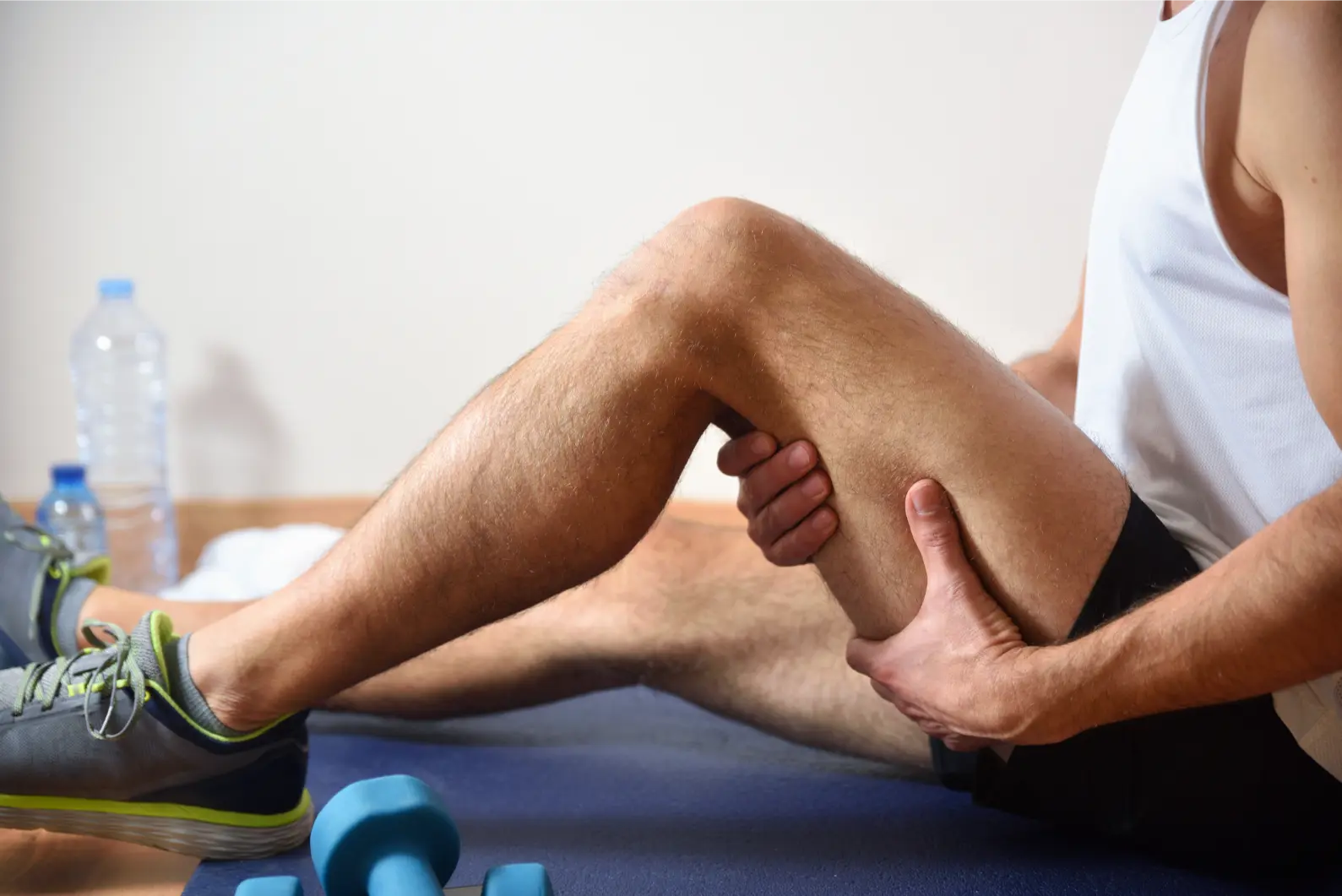
The adductor muscles run along the inner thigh and help control hip movement and stability. They are particularly active during acceleration, deceleration, kicking and lateral movements in field sports.
When these muscles or their tendons are overstretched or overloaded, it causes a groin strain. Injuries can range from mild muscle irritation to more significant tears. Symptoms may come on suddenly during activity or develop gradually with repeated strain.
Groin strain symptoms
Symptoms may vary depending on the severity of the injury. Symptoms of a groin strain or adductor injury can include:
- Pain or tightness in the inner thigh or groin
- Pain that worsens with running, kicking or changing direction
- Reduced strength or power through the hip
- Discomfort when walking, climbing stairs or standing on one leg
- Tenderness along the inner thigh
Causes of groin strains and adductor injuries
Sudden increases in load or force through the adductor muscles cause groin strain. Common causes include sprinting, kicking, rapid changes of direction and poor load management. These injuries are frequently seen in sports such as football and rugby, but also occur during running and gym-based training.
Reduced hip strength, fatigue or previous groin injury can increase the risk.
When to see someone for a groin strain
If groin pain persists, worsens or limits your ability to train or perform daily activities, you should see your GP or a physiotherapist.
At the White House Clinic, you do not need a referral to book a physiotherapy appointment, giving you earlier access to treatment for a faster recovery.
What to do if you have a groin strain
If you have a groin strain or a football groin injury, reduce activities that significantly increase pain. In the first 48 hours, you should rest and apply ice to reduce swelling. However, complete rest is rarely helpful and can delay recovery.
Gradual, physiotherapist-guided muscle loading is important. A physiotherapist can advise on safe movement, exercises and activity modification to support your recovery.
Treatment for groin strains and adductor injuries
Treatment focuses on easing pain, restoring strength and improving hip control and mobility.
Physiotherapy
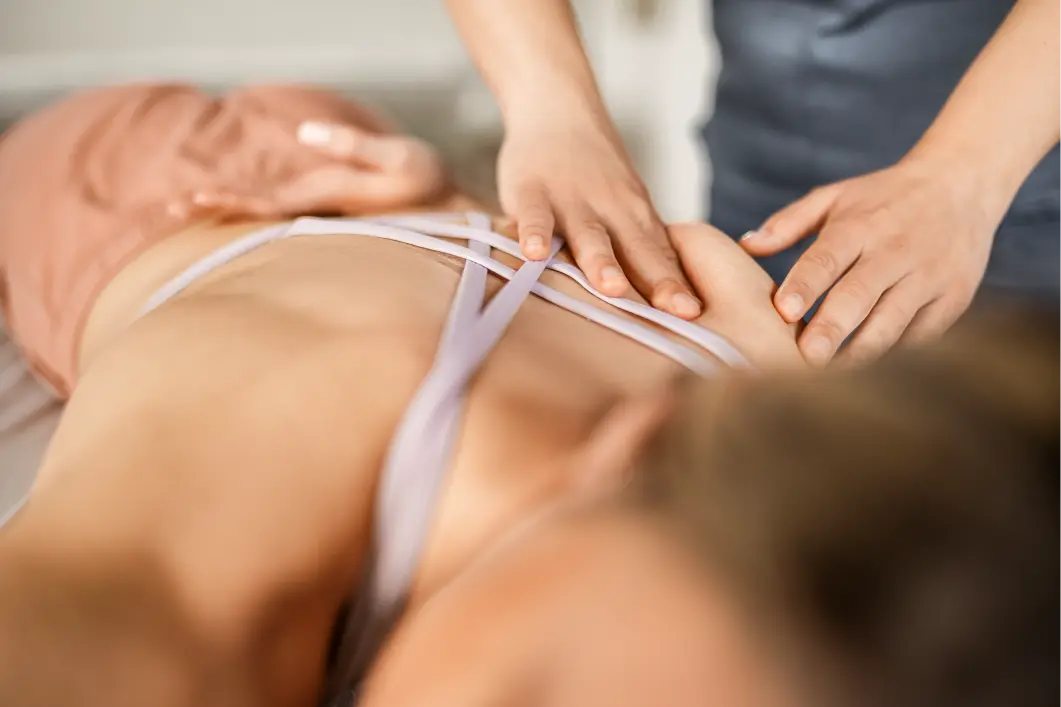
Physiotherapy helps manage and support recovery from groin strains. A physiotherapist will assess hip movement, strength and control before developing a personalised rehabilitation programme.
Sports injury management
Sports injury management supports a safe and progressive return to activities such as football, rugby, running and gym training.
Shockwave Therapy
Shockwave Therapy uses soundwaves to help manage persistent adductor pain and support tissue healing. This treatment is available at Sheffield West, Sheffield East and Chesterfield clinics.
BFR training
As part of your physiotherapy journey, the physiotherapist may use blood flow restriction (BFR) to maintain or improve muscle strength. This allows you to strengthen the muscle while reducing strain on the injured tissues.
Who is affected by groin strains?
Groin strains can affect people of all ages but are particularly common in athletes involved in running and kicking sports such as rugby, ice hockey and football.
Reducing the risk of groin strain returning
A groin strain can limit your performance in sports. To reduce the risk of it happening again, gradually increase training load and intensity by following a bespoke programme. Maintain hip strength and mobility through your plan and Pilates classes. Your physiotherapist can assess and advise on your movement patterns and flexibility.
With appropriate treatment and rehabilitation, most people return to full activity with reduced risk of re-injury.
References
Related Treatments & Services
Discover a range of treatments and services that can help you on your way to full health.
FAQs
Our Locations

Stay up to date with our regular advice articles and latest news