Disc Bulge and Disc Prolapse
Summary
A disc prolapse, also called a herniated disc or slipped disc, is a common cause of lower back and nerve-related pain.
When one of the discs between the vertebrae of the spine becomes displaced or irritated, it can cause back pain and nerve pain that may radiate into the leg.
The prevalence of a herniated disc is 5-20 cases per 1000 adults per year. It is rare in children and most common in individuals aged 30 to 50 years.
Disc bulges and disc prolapses are often managed successfully without surgery. With the right treatment approach, many people experience significant improvement and return to normal activity. The White House Clinic provides expert care for disc prolapse in Sheffield and across all 14 locations in South Yorkshire, North East Derbyshire and Nottinghamshire.
An overview of disc bulge and disc prolapse
The spine consists of 33 vertebrae separated by intervertebral discs. These discs act as shock absorbers, allowing movement of the back and spine. Each disc has a soft inner centre surrounded by a tougher outer layer.
Then the disc extends beyond its normal boundary, but the outer layer remains intact; it is a disc bulge. A disc prolapse happens when the inner material pushes out and irritates nearby nerves.
Disc prolapse symptoms
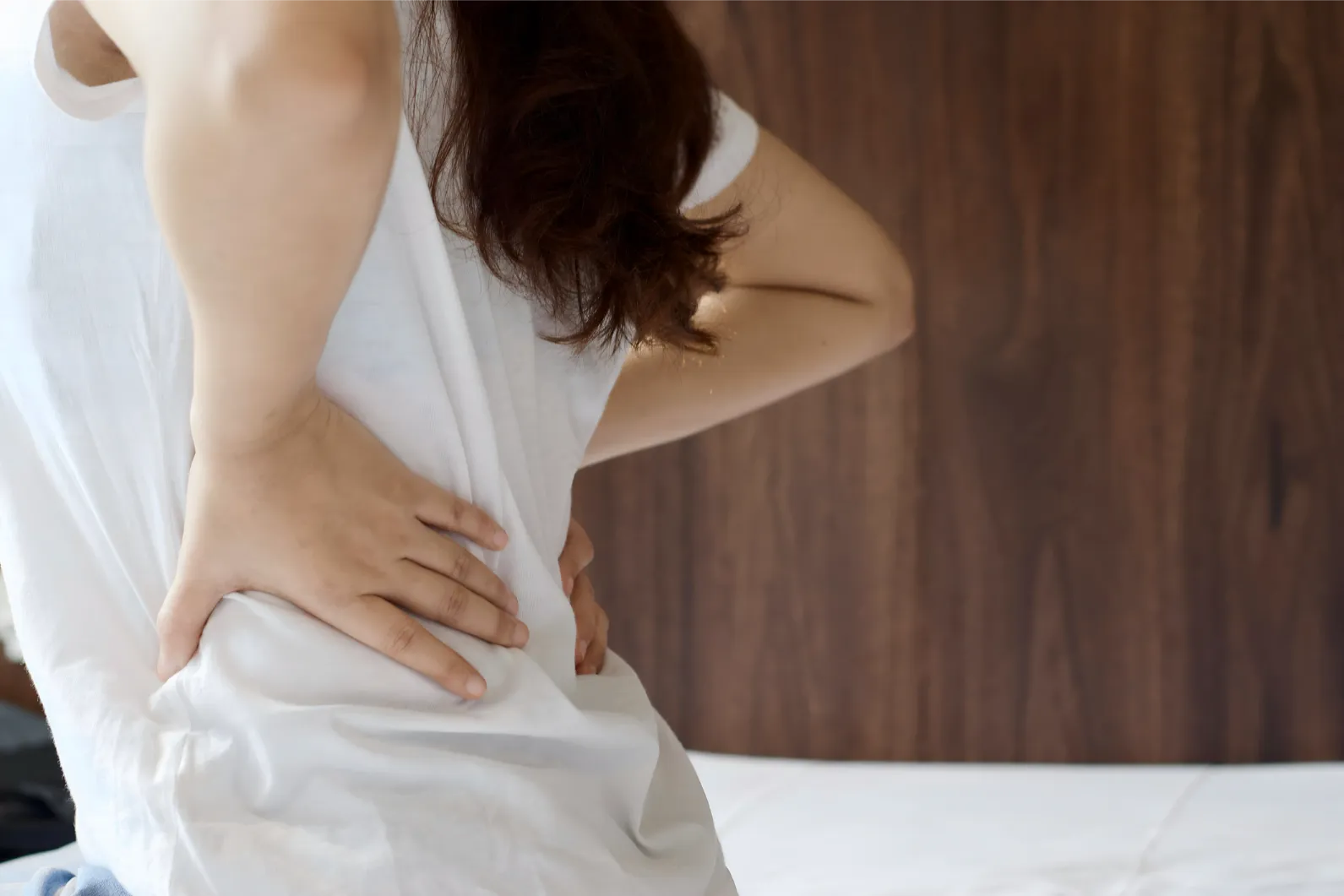
Some people experience low back problems, while others develop lower back nerve pain.
Symptoms can vary depending on the size and position of the disc problem. Common symptoms include:
- Lower back pain
- Pain that moves the buttock or leg if the disc is compressing the sciatic nerve
- Numbness or tingling in the leg or foot
- Muscle weakness in the leg
- Pain that worsens with bending, lifting or sitting for long periods
Causes of disc bulge and disc prolapse
A slipped disc can result from exercise, poor lifting or sitting posture, prolonged driving or sitting, or inactivity. It can also occur as you age or if you are overweight.
Activities that repeatedly stress the back and spine, such as gym training, running, and gardening, may aggravate symptoms if you don’t manage the load appropriately. However, you can usually resume these activities with guidance from a physiotherapist.
When to see someone for a disc prolapse
You should consider seeking professional advice if back pain or nerve symptoms persist, worsen or interfere with daily activities. Most disc problems improve over time with conservative management, including staying active and exercising appropriately.
At the White House Clinic, we treat slipped discs at all 14 of our clinic locations. You don’t need a referral to book an appointment, giving you quick and easy access to treatment.
What to do if you have a disc bulge or disc prolapse
When you have a disc bulge or prolapse, it’s important to remain active within comfortable limits. Prolonged rest can increase stiffness and delay recovery.
Follow a progressive plan tailored to your needs and avoid sudden heavy lifting or movements that significantly increase pain. A physiotherapist can guide safe movement, posture and activity modification.
Treatment for disc bulge and disc prolapse
Physiotherapy
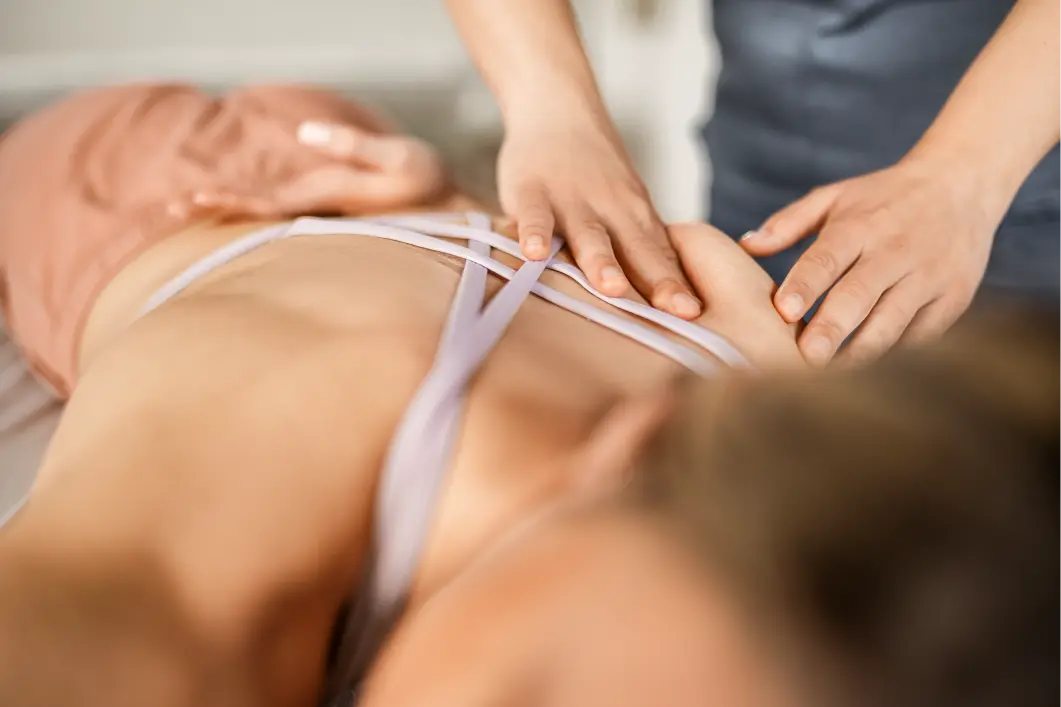
Physiotherapy helps manage disc prolapse and disc bulge symptoms. A physiotherapist will assess spinal movement, strength and nerve sensitivity before developing a personalised rehabilitation programme.
Exercise and movement rehabilitation
Targeted exercise helps improve spinal mobility, strengthen supporting muscles and reduce pressure on irritated nerves. We progress our programme gradually to help you return to activities following a herniated disc.
Acupuncture
Acupuncture may be used alongside physiotherapy to help reduce pain and muscle tension associated with a disc prolapse.
Pilates
Pilates classes can help improve core strength, spinal control and movement awareness, supporting long-term back health.
Post-operative rehabilitation
If you need surgery for a disc prolapse, post-operative rehabilitation is essential to restore movement, rebuild strength, and support a safe return to work, sport, and daily activities.
Who is affected by disc bulge and disc prolapse?
Disc bulges and prolapses can affect adults of all ages, but are most common in people between 30 and 50. Smokers have a higher risk of disc prolapse, as smoking reduces blood flow and oxygen to spinal discs, potentially weakening the structures.
Reducing the risk of disc prolapse happening again
A disc prolapse, or disc bulge, is uncomfortable and can affect your work, activity levels, and sleep. To reduce the risk of it happening again, it’s vital to maintain strength and mobility in the back and spine, and lift with proper form. Increase activity levels gradually, following a tailored plan from a physiotherapist.
With appropriate treatment and rehabilitation, many people recover well from disc bulge and disc prolapse and return to normal activity.
References
Related Treatments & Services
Discover a range of treatments and services that can help you on your way to full health.
FAQs
Our Locations

Stay up to date with our regular advice articles and latest news