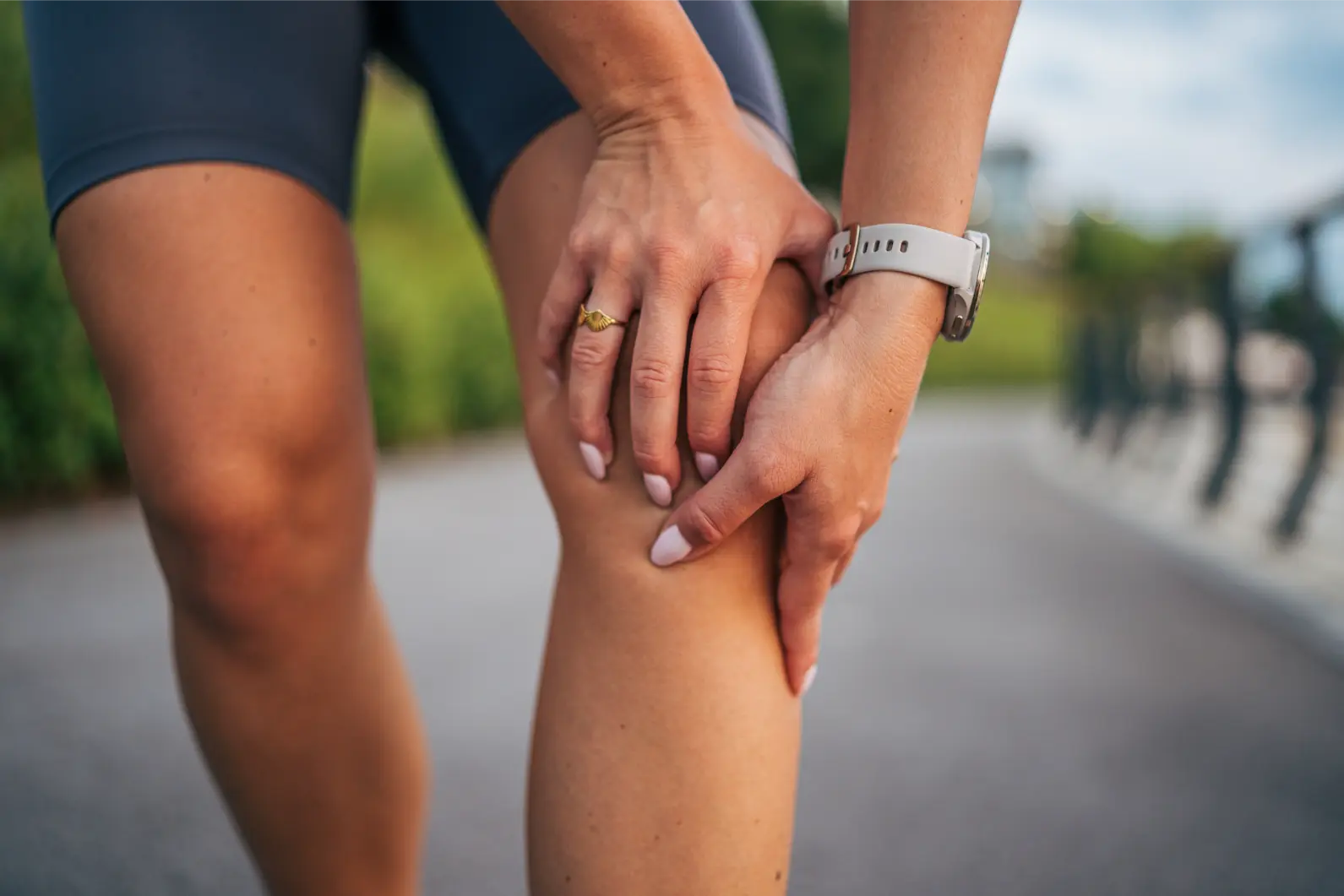
ACL and Knee Ligament Injuries
Summary
An ACL injury is one of the most significant knee ligament injuries and commonly occurs during twisting, pivoting or suddenly stopping. The ACL plays a key role in stabilising the knee, particularly during high-demand activities and sports.
ACL injuries are a frequent type of sports knee injury, particularly in activities that involve rapid changes of direction, such as football, rugby, basketball and running.
Approximately 100,000 ACL reconstructions take place each year1. However, not all ACL injuries require surgery. Some respond well to physiotherapy.
The White House Clinic offers specialist care across 14 locations in South Yorkshire, North East Derbyshire and Nottinghamshire.
An overview of ACL and knee ligament injuries
Four main ligaments support the joint at the knee, providing stability and movement. The ACL runs diagonally through the centre of the knee and prevents excessive forward movement and rotation of the shin bone.
When the knee is forced hyinto an unstable position, typically without direct contact, it can damage the ACL. This can happen when landing, switching direction quickly or decelerating suddenly.
ACL injury symptoms
ACL injuries could be partial tears or complete ruptures. The severity of symptoms varies. Some can walk shortly after injury, while others have immediate instability. Symptoms of an ACL injury may include:
- A sudden pain at the time of injury
- Swelling of the knee within hours
- A feeling that the knee has given way or feels unstable
- Difficulty continuing activity after injury
- Reduced confidence in the knee during twisting or pivoting movements
Causes of knee ligament injury
A knee ligament injury is common in sports that involve rapid changes of direction, stopping and starting, and jumping. These movements are common in football, rugby, basketball and American football.
When to see someone for an ACL injury
If your knee is swelling, unstable or painful following an injury, you should see a professional for an assessment. Early diagnosis allows an appropriate knee rehabilitation plan to be put in place, whether you need surgery or not. If an ACL injury is suspected then an MRI scan will be required to confirm or deny this.
What to do if you have an ACL injury
If you have a knee ligament injury, avoid returning to sport or high-demand activities until a professional has assessed your knee. Training on an unstable knee with a suspected ACL injury can increase the risk of further damage.
In the early stages after the injury, keep the knee moving and manage swelling with ice and elevation. A physiotherapist can guide safe movement and early strengthening while protecting the joint.
Treatment for ACL injuries
Treatment for ACL injury will depend on whether you are rehabilitating from surgery or if you are managing your symptoms with non-invasive treatment.
Physiotherapy
Physiotherapy is essential in the management of ACL injuries, whether treated surgically or non-surgically. Treatment focuses on restoring knee movement, strength, control and confidence.
Sports injury management
Sports injury management supports people returning to high-demand activities. This includes progressive loading, movement retraining and sport-specific rehabilitation for football, rugby, basketball, American football and running.
BFR training
Blood flow restriction (BFR) training can improve muscle strength when heavy loading is not possible.
Post-operative rehabilitation
A high number of ACL injuries require surgical reconstruction. Post-operative rehabilitation is vital following ACL surgery to restore strength, stability and function. A structured programme supports a safe and effective return to sport and daily activities.
Who is affected by ACL injuries?
ACL injuries can happen at any age, often to people involved in pivoting and jumping sports. In football, women are two to six times more likely to suffer ACL injury compared to male footballers.
Reducing the risk of ACL injury happening again
ACL injuries require time away from sport and changes to daily activities. To avoid an ACL injury in the future, you should maintain strength around the knee and hip with a progressive training plan. A physiotherapist can help develop a structured rehabilitation programme and improve your biomechanics to optimise performance and reduce risk.
References
1 https://pmc.ncbi.nlm.nih.gov/articles/PMC4004131/
2 https://www.bbc.co.uk/sport/football/articles/cxwv38dp748o
Related Treatments & Services
Discover a range of treatments and services that can help you on your way to full health.
FAQs
Our Locations

Stay up to date with our regular advice articles and latest news