Tennis Elbow and Golfer’s Elbow
Summary
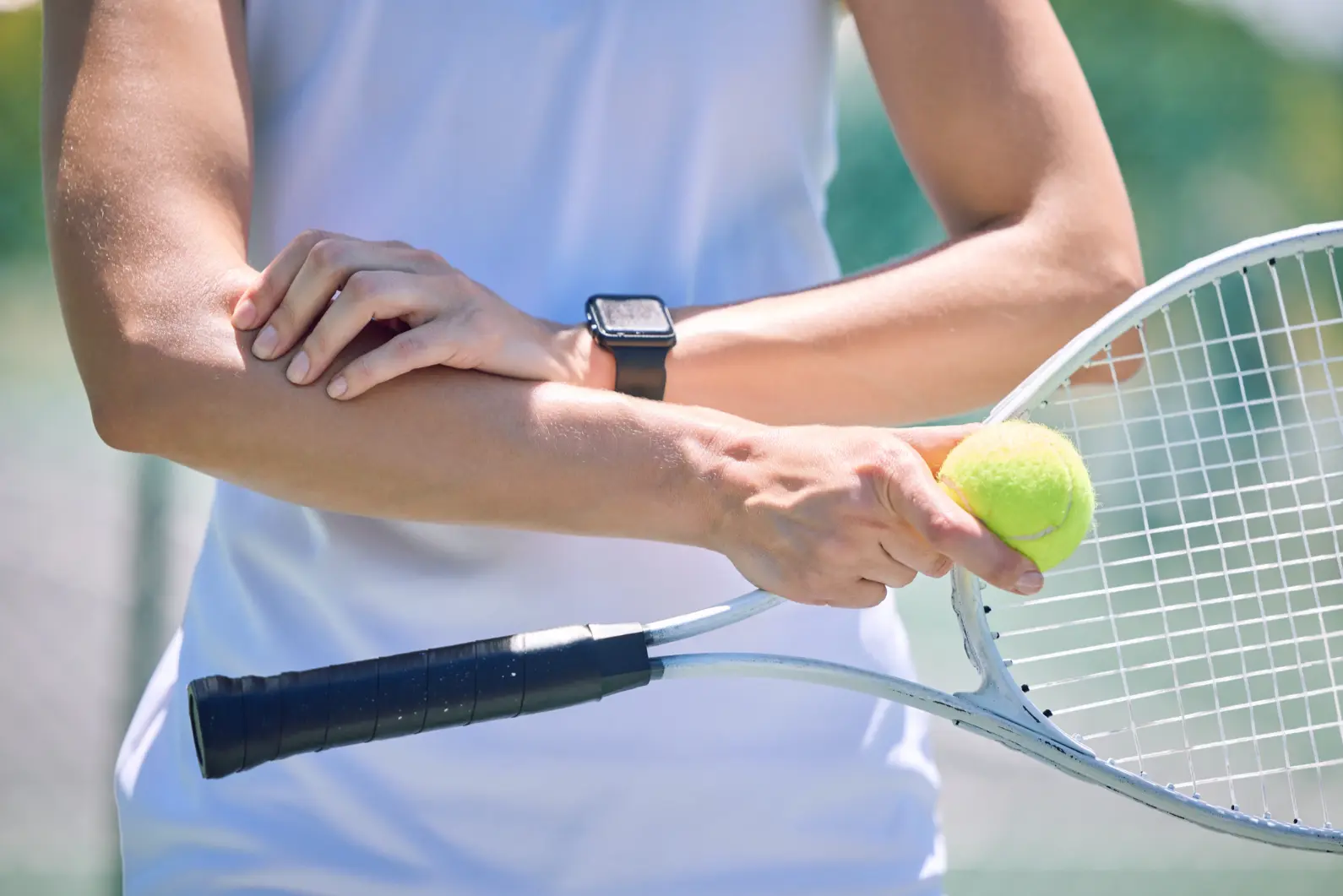
Tennis elbow and golfer’s elbow are common causes of elbow pain, affecting the tendons that attach the forearm muscles to the elbow. Tennis elbow, clinically known as lateral epicondylitis, causes pain on the outside of the elbow. Golfer’s elbow, or medial epicondylitis, causes pain on the inside.
Despite their names, these conditions do not only affect people who play sports. They are often linked to repetitive movements, gripping and throwing, and the use of vibrating tools.
NICE reports that women and men are equally affected by tennis elbow, with peak incidence between ages 35 and 54.
Both conditions are usually treatable with specialist physiotherapy, shockwave therapy and acupuncture. The White House Clinic provides expert physiotherapy across 14 locations in South Yorkshire, North East Derbyshire and Nottinghamshire.
An overview of tennis elbow and golfer’s elbow
Tennis elbow develops when tendons on the outside of the elbow become overloaded. Golfer’s elbow occurs when you strain the inside of the elbow.
Both elbow conditions develop over time due to repeated strain rather than a single traumatic injury. As the tendon structure becomes irritated, it causes pain and reduced function.
Tennis elbow and golfer’s elbow symptoms
Elbow pain is the most common symptom. However, you may also experience:
- Tenderness around the elbow
- Pain that worsens with gripping, lifting or twisting movements
- Reduced grip strength
- Stiffness or aching in the forearm
- Discomfort during everyday tasks, such as turning door handles or lifting objects
If the pain is on the outside of the elbow, it’s likely tennis elbow. If the pain is on the inside, it’s likely golfer’s elbow.
Causes of tennis elbow and golfer’s elbow
Repetitive strain is often the cause of tennis elbow and golfer’s elbow. The strain can be from sports such as golf, tennis or badminton. However, causes aren’t limited to sport. You can also develop the condition from heavy manual work, prolonged use of tools, keyboards or mobile devices, sudden increases in workload or activity or poor movement patterns in the arm and shoulder.
When to see someone for tennis elbow or golfer’s elbow
Tennis elbow and golfer's elbow are painful conditions, but they are treatable. You should see a professional if the pain lasts longer than two weeks, worsens, or impacts your sleep or daily life.
Physiotherapy can support recovery and help prevent symptoms from becoming long-term. You can book a physiotherapy appointment at the White House Clinic without a referral. We treat tennis elbow and golfer’s elbow in Sheffield, Chesterfield, Doncaster, and at our clinics across South Yorkshire, North East Derbyshire and Nottinghamshire.
What to do if you have tennis elbow or golfer’s elbow
If you have elbow pain, it is usually best to keep the arm moving within comfortable limits rather than resting it completely. Complete rest can weaken the tendon and delay recovery. However, you should avoid activities that worsen the pain.
If you’re not sure which movements you should do, seek help from a physiotherapist for tailored advice based on symptoms and daily demands.
Treatment for tennis elbow and golfer’s elbow
Treatments for tennis elbow and golfer’s elbow include physiotherapy, injections, and shockwave therapy.
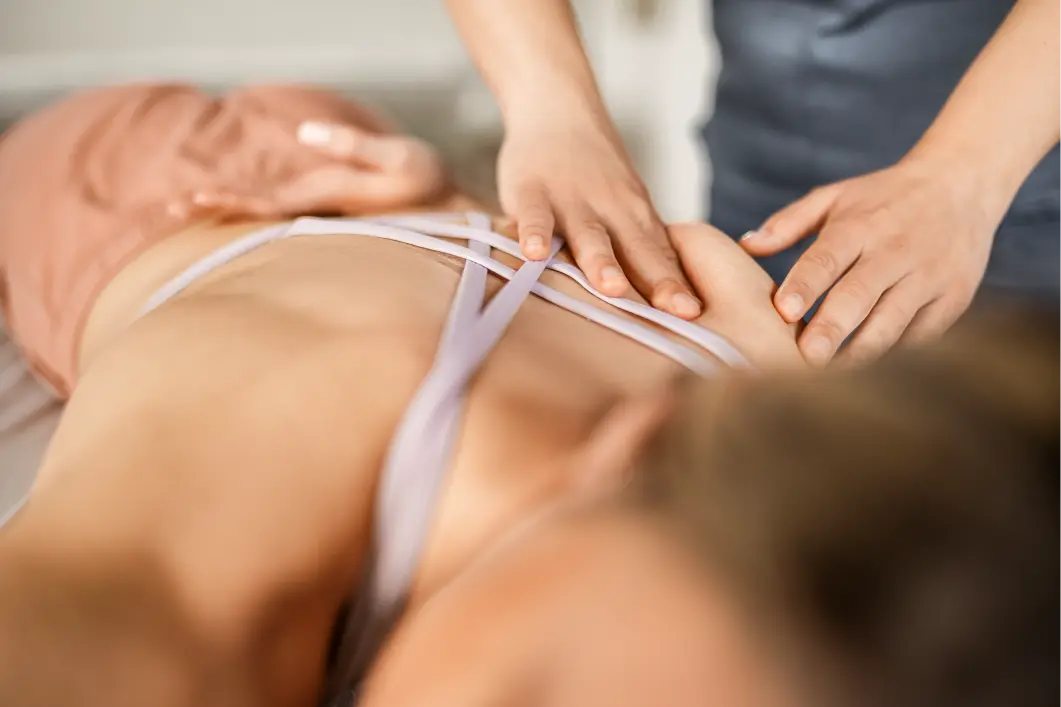
Physiotherapy assessment and exercise
A physiotherapist will assess how your elbow moves, your grip strength and how you use your arm during work and daily activities. At the White House Clinic we also have diagnostic ultrasound equipment to explore the problem in detail. From the physiotherapist's assessment, they’ll give you targeted exercises to strengthen tendons and surrounding muscles. Following a structured exercise programme is central to recovery. While exercises may feel uncomfortable initially, symptoms usually improve as the tendon recovers.
Shockwave therapy
Your physiotherapist may recommend shockwave therapy if symptoms do not improve with exercise alone. The treatment helps stimulate tendon healing and can reduce pain and improve function.
Injections
Using our top-of-the-range equipment and techniques, we offer injections to help reduce pain from tennis elbow and golfer’s elbow.
Who is affected by tennis elbow and golfer’s elbow?
Tennis elbow and golfer’s elbow can affect adults of all ages. They are particularly common in people who perform repetitive arm and hand movements, manual work or prolonged gripping as part of their job or daily routine.
Reducing the risk of tennis elbow and golfer’s elbow returning
Tennis elbow and golfer’s elbow are painful conditions that impact your daily life. To reduce the risk of them returning, it’s important to gradually increase activity levels and loads. Follow an exercise plan to maintain strength in the forearm, wrist and shoulder muscles. If your job requires repetitive movements, try adjusting your technique or posture. A physiotherapist will help you relieve your current symptoms and will offer long-term personalised strategies to reduce future injury risk.
References:
Related Treatments & Services
Discover a range of treatments and services that can help you on your way to full health.
FAQs
Our Locations

Stay up to date with our regular advice articles and latest news